Auto Transmission Repair Service
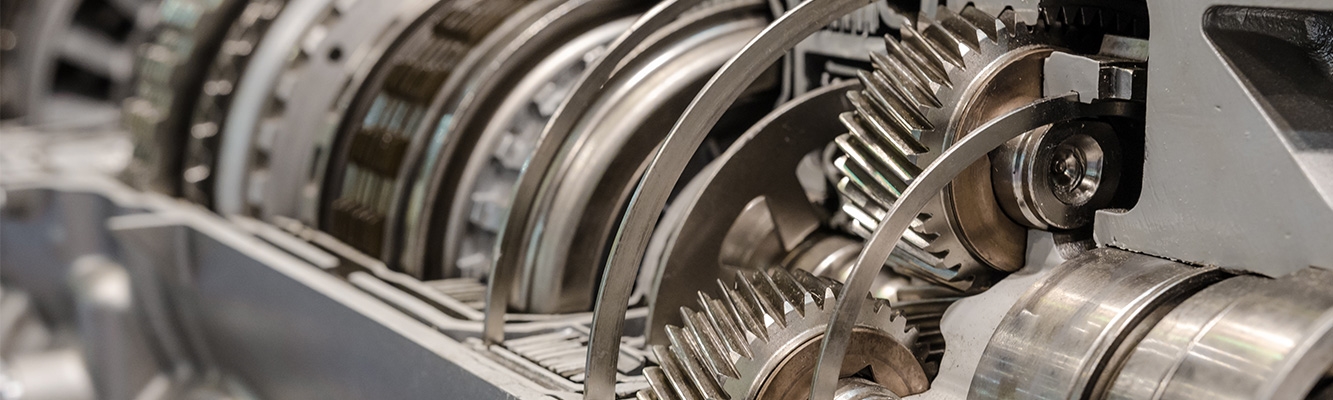
Richfield Bloomington Honda provides transmission maintenance, diagnostics, and repair in Richfield, MN. Our experienced technicians service automatic and manual transmissions using diagnostic equipment to identify problems and recommend the appropriate next step. Whether your vehicle needs routine maintenance or attention for a shifting concern, our team is here to help.

Factory-Remanufactured Transmission Options
Used Transmission Options

Ask About Payment Options

Ask About Rental Car Availability

Experienced Service Technicians

Ask About Valet Service

Schedule Service Online
Our Transmission Services
4-Wheel Drive (4x4)
Automatic Transmission
Computer Diagnosis
CVT Repair
External Diagnosis
Fluid & Filter Replacement
Manual Transmission
Performance Transmission
Transfer Case
Transmission Adjustment
Transmission Cooler
Transmission Replacement
Transmission Reseal
Transmission FAQ
Extreme temperatures and demanding driving conditions can affect transmission wear. Let our team know if you drive mostly short distances, use your vehicle infrequently, or regularly tow or haul heavy loads.
We can review the maintenance recommendations for your vehicle and how you use it, then help you plan the appropriate service.
Yes. Richfield Bloomington Honda offers diagnostic inspections to help identify transmission problems. Depending on your vehicle and its symptoms, an inspection may include a fluid check, stationary and road testing, an examination of the transmission pan, and an inspection with the vehicle on a lift.
Fluid Inspection
We check the transmission fluid's level and condition. Discoloration, an unusual odor, or signs of contamination may warrant further investigation, particularly when they occur alongside shifting problems or other symptoms.
Stationary and Road Testing
When appropriate, we evaluate transmission operation while the vehicle is stationary and during a road test. Our technicians look for slipping, unusual sounds, inconsistent shifting, and shifts that occur too early or too late.
Transmission Pan Examination
If the inspection calls for examining the transmission pan, we check for debris and signs of internal wear. The findings help us determine whether a more detailed internal inspection is needed.
Lift Inspection
Inspecting the vehicle on a lift helps us check for leaks and assess accessible transmission and drivetrain components. Depending on the vehicle's equipment, this may include:
- Electronic components and connections
- Fluid leaks
- The neutral switch and shift linkage
- The modulator and its vacuum connections, if equipped
- Throttle linkage, if equipped
- Transmission mounts
- U-joints, if equipped
Internal Inspection
If the initial inspection points to an internal problem, we may recommend removing and disassembling the transmission to inspect its components for wear or damage. Our team will explain the recommended next step and provide an estimate for the work.
Recommendations After the Inspection
Once the inspection is complete, we will explain the findings and any recommended service. The next step may be:
- No repair: The inspection does not identify a need for transmission repairs or adjustments.
- Preventive maintenance: Fluid service and any applicable filter replacement are recommended for the vehicle.
- External repair or adjustment: An accessible component can be repaired or adjusted without removing the transmission.
- Leak repair or resealing: A leaking gasket or seal needs attention. Whether the transmission must be removed depends on the leak's location.
- Internal repair: Worn or damaged internal components need further attention. We will review the recommended work with you before proceeding with repairs.
Our goal is to help you understand what we found, what your vehicle needs, and what the recommended work will cost.
Regular maintenance can help reduce the risk of problems related to lubrication, debris, or clogged filters. It cannot guarantee that a transmission will never fail.
Our technicians can help you follow the maintenance schedule for your vehicle and evaluate concerns before recommending service or repairs.
Follow the transmission maintenance schedule in your vehicle's owner's manual. Service timing depends on your vehicle and driving conditions.
Let our team know if you regularly tow or haul heavy loads. We can review your service history, inspect the fluid as appropriate, and help determine when your vehicle needs transmission service.
The time needed depends on your vehicle's symptoms and the testing required. An initial inspection may include checking the fluid, evaluating external transmission controls, and performing a road test when appropriate.
Ask our service team how much time to allow when you schedule your visit. We will let you know if the findings call for additional testing or a more extensive inspection.
The right setting depends on your vehicle and driving conditions. Check your owner's manual for guidance on using overdrive or selecting a driving range.
Our technicians can help you understand your vehicle's transmission settings and the manufacturer's guidance for everyday driving or towing.
Avoid driving with a suspected transmission fluid leak. Fluid loss can affect transmission operation and lead to additional damage.
Contact our service team to arrange an inspection and discuss how to get your vehicle to us safely. We can check the source of the leak and recommend the appropriate repair.
Do not ignore a warning light or a change in how your vehicle drives. Follow your owner's manual for the specific warning, and contact our service team for guidance before continuing to drive.
Our technicians can check for stored trouble codes and perform additional testing to identify the cause. Early diagnosis helps us determine what needs attention and whether repairs are necessary.
Your transmission type and the manufacturer's service instructions determine the appropriate procedure. Our team can review whether your vehicle needs fluid service and whether filter replacement is part of that service.
If you are already experiencing shifting problems, leaks, or unusual noises, start with a diagnostic inspection. We can help determine whether maintenance, repair, or further testing is the appropriate next step.
A transmission concern does not automatically mean the entire unit needs to be replaced. Some problems can be addressed with an adjustment or a repair to an accessible component, while others require more extensive internal work.
An inspection helps us determine the cause and explain the available options. Our team will review the recommended repair or replacement with you so you can make an informed decision.
The appropriate repair depends on the cause of the problem and the condition of the transmission. After an inspection, our team can explain which of the following options may apply to your vehicle.
Adjustments and In-Vehicle Repairs
Some shifting problems involve an accessible sensor, connection, solenoid, or linkage rather than a need for a complete overhaul. Depending on the transmission's design and the component involved, repairs may be possible without removing the entire unit.
On some older transmissions, diagnosis may include checking throttle linkage, vacuum connections, and engine performance. These systems can affect shifting, so they may need attention as part of the inspection.
An engine that briefly races between shifts may be a sign of slipping. An inspection is needed to determine why it is happening and whether an adjustment or a more extensive repair is appropriate.
Leak Repairs and Resealing
Fluid underneath your vehicle should be inspected to identify its source. If a transmission gasket or seal is leaking and the transmission is otherwise operating properly, a targeted leak repair may be appropriate.
Some external seals can be reached without removing the transmission. Other leaks require removal to access the affected seal, which changes the scope of the repair.
Accessible Component Replacement
Certain transmission components can be serviced while the transmission remains in the vehicle. Accessibility depends on the design and the part involved.
Repairing an accessible component does not provide a complete view of every internal part. We will explain the inspection findings and whether additional testing is recommended.
Complete Transmission Overhaul
An overhaul, also called a rebuild, involves removing and disassembling the transmission so its internal parts can be inspected. Components are cleaned or replaced based on their condition and the repair requirements.
The work may include replacing worn friction components, gaskets, seals, and other damaged parts. The repair plan also addresses the torque converter and any applicable manufacturer service recommendations.
Our technicians will explain the scope of the overhaul before repairs proceed. Once the work is complete, the transmission is reassembled and reinstalled.
Replacement Instead of an Overhaul
Another option may be replacing the existing transmission with a rebuilt or remanufactured unit. Availability and compatibility are important when considering a replacement.
Transmission variations can depend on the vehicle, engine, and drivetrain configuration. Our team will review the appropriate replacement options and explain how they compare with repairing the existing unit.
Following your vehicle's maintenance and operating instructions is a practical way to care for its transmission. Keep these points in mind:
- Follow the transmission maintenance schedule in your owner's manual.
- Ask about appropriate fluid inspections when you bring your vehicle in for maintenance.
- Address suspected fluid leaks promptly, and avoid driving with low transmission fluid.
- Come to a complete stop before shifting between Drive and Reverse.
- Avoid excessive wheelspin and hard launches that place unnecessary strain on the drivetrain.
- Have shifting problems, unusual noises, or warning lights evaluated rather than continuing to drive with a suspected problem.
- Follow the manufacturer's instructions for four-wheel-drive operation, including any restrictions on dry pavement.
- Follow the manufacturer's requirements for tire sizes and temporary-spare use, particularly on all-wheel-drive vehicles.
Contact our team with questions about the maintenance or operating guidance for your vehicle.
Some transmission fluids are dyed red for identification. Use the fluid specified for your vehicle rather than choosing a product by color.
During an inspection, our technicians can check the fluid's level and condition. If you notice fluid underneath your vehicle, we can help identify the source and determine what needs attention.
The cost depends on the cause of the problem, your vehicle's age and transmission type, and the work required. An external adjustment or accessible component repair involves a different scope of work than an internal repair or replacement.
We start with an inspection to help identify the problem. Our team will explain the findings, review the recommended service, and provide an estimate before you approve repairs.
A diagnostic scan allows our technicians to check for stored trouble codes and review available information from the vehicle's control systems. This information helps guide the inspection of the transmission's electronic controls.
Our team uses the scan results along with the vehicle's symptoms and other diagnostic tests to identify the problem. The findings help us determine whether an adjustment, component repair, or further inspection is needed.
Our service team provides transmission diagnostics, maintenance, and repairs. Services cover automatic, manual, and continuously variable transmissions, along with related components such as transmission coolers and transfer cases.
If you are concerned about how your transmission is operating, an inspection can help determine whether the next step is routine maintenance, an accessible component repair, or more extensive work. Contact our team to discuss the service needs of your vehicle.
Use the transmission fluid specified by your vehicle's manufacturer. Different transmissions require different fluids, so the appropriate product should be identified for your vehicle rather than selected by brand or color alone.
Our team can review the fluid requirements and the maintenance schedule in your owner's manual. When fluid service is recommended, we will explain the procedure and whether any filter or gasket replacement applies.
CONTACT US
Richfield Bloomington Honda
501 W 77th Street, Richfield, MN 55423-4001
HOURS
Service & Parts
Saturday: 6:30 AM - 5:00 PM
Sales
Saturday: 9:00 AM - 6:00 PM